How to Plan an Underwater Photography Trip with DPG Expeditions
Embarking on an underwater photography trip can be one of the most rewarding experiences for any enthusiast, especially when traveling with trusted operators like DPG Expeditions. With over a decade of experience shooting beneath the waves—from cramped day boats to extended liveaboard adventures—I've learned that meticulous trip preparation and equipment care can mean the difference between a smooth, successful journey and a costly disaster.
Why Careful Planning Matters on DPG Expeditions Trips
DPG Expeditions offers some of the most remarkable underwater photo travel experiences worldwide. Their itineraries bring photographers face-to-face with some of the ocean's most stunning marine life, but getting there and back with your gear intact requires more than just good intentions. Pretty simple.. Underwater camera housings are marvels of engineering, packed with https://highstylife.com/where-to-learn-underwater-photography-techniques-like-wide-angle-and-macro/ buttons, dials, hinges, and electrical connections that need careful handling before, during, and after every dive.
Step 1: Preparing Your Underwater Camera Housing
The cornerstone of any underwater photo journey is your camera housing. Handling it properly before travel and during each dive can greatly reduce corrosion risks and ensure reliable function throughout your trip.
Inspect and Clean Before Departure
- Check all buttons, dials, and hinges: Lubricate them using recommended silicone grease, but remember grease is not the seal—it's a conditioner to maintain smooth operation.
- Test electrical connections: These often-overlooked connectors require careful inspection; dirt or salt buildup can cause serious failures underwater.
- Label your chargers and cables: I personally recommend masking tape with clear, permanent writing to quickly distinguish items, avoiding mix-ups on the expedition.
Saltwater Removal Before Opening Housings
One critical lesson I learned early the hard way (after flooding my housing in year two!) is never to open your housing without first thoroughly rinsing off saltwater. Salt crystals can cause button jams and electrical shorts.
- Immediately after your dive, submerge the housing in a fresh water rinse tank or gently flush it at the rinse station.
- Use a dedicated tiny flashlight to inspect o-rings before opening—salt crystals can be microscopic but disastrous.
- Dry the housing exterior with a microfiber cloth before opening to check for trapped salt residues.
Step 2: Handling Your Gear in Shared Rinse Tanks
You ever wonder why on dpg expeditions trips, rinse tanks are frequently shared among photographers. It’s common—but avoidable—to damage or bounce housings against others in these tanks.
- Never leave housings loose: Always place them carefully and use padded separators or separate rinse tanks when possible.
- Use protective covers or bags: Some expeditions provide mesh rinse bags or personal rinse zones—take advantage of these to avoid accidental knocks.
- Be courteous and communicate: Fellow photographers often appreciate reminders about gentle handling, reducing risks for everyone.
Step 3: Dry Workspace Habits to Avoid Corrosion
Aside from the dive itself, your workspace habits between dives and https://dlf-ne.org/what-to-do-with-memory-cards-during-a-multi-day-dive-trip/ during downtime can profoundly affect your housing’s lifespan.
- Designate a dry area: Keep a spot on the boat or dive base free from moisture to inspect, handle, and prep your gear.
- Use silica gel packs: Store your camera gear with desiccants to reduce ambient humidity and prevent corrosion.
- Handle with clean fingers or gloves: Oils or sunscreen can degrade seals and electrical components.
Step 4: Two-Device Backups and Verification
Nothing will sour an epic DPG Expeditions experience faster than losing or corrupting your images. One habit I strongly recommend is always using at least two recording devices—even better if they employ different storage technologies—and verifying backups regularly.
Backup Strategies to Adopt
- Use dual memory cards in-camera: Many professional underwater rigs use two cards simultaneously to capture redundant files.
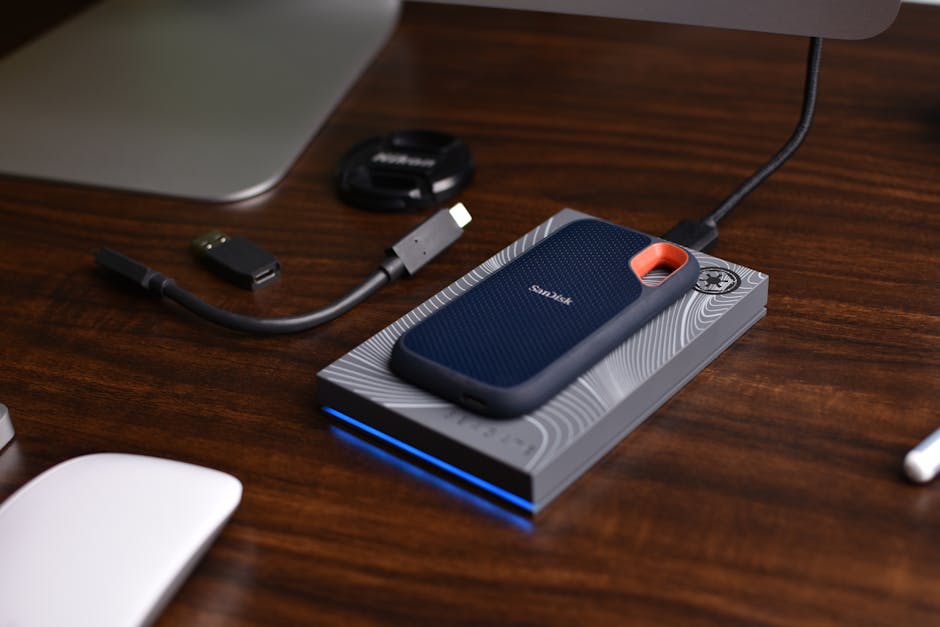
- Carry a portable backup device: A rugged external SSD or high-capacity memory card reader allows offloading files after dives.
- Verify backups before formatting: I get deeply annoyed when people format cards on day one of the trip without confirming the backups! Always confirm file integrity on your backup device.
Additional Tips for a Seamless Underwater Photo Travel Experience
- Label chargers and cables: On multi-week trips, mixing cables can cost time and nerves. Masking tape with labels works best.
- Carry a tiny flashlight dedicated to o-ring inspection: Preserving this habit helps avoid missed debris or salt buildup, reducing leaks dramatically.
- Avoid editing photos extensively during the trip: Resist the urge to spend hours editing until you have confirmed secure backups of all images.
Final Thoughts
Taking a DPG Expeditions trip for underwater photo travel offers magnificent opportunities but demands thoughtful planning. By respecting the nuances of your underwater camera housing, practicing safe handling in shared spaces, maintaining dry workspace habits, and diligently securing dual backups of your precious images, you set yourself up for a trip of lasting memories and stunning photographs.
Remember: careful preparation is the key to unlocking the full potential of your underwater adventures. With these strategies in hand, you can dive confidently and focus on capturing the incredible sights that await below the surface.